Build an HOA Document Triage Board Before AI Answers Buyer Questions
AI is useful at turning long association documents into plain English. That is also exactly why it needs a control surface before the answer reaches a buyer.
Homeowners association and condominium questions are rarely casual. A buyer may be asking whether a pet is allowed, whether a rental restriction affects future plans, whether dues change affordability, whether a pending assessment changes the offer, or whether a condo project can clear lender review. If an AI assistant answers from an old PDF, a scraped listing note, or a half-remembered CRM summary, the team has not automated service. It has created a confident source of deal risk.
The fix is not to ban AI from HOA questions. The fix is to build an HOA document triage board that tells the system which documents are current, which questions require a human, which answers need lender or attorney confirmation, and which language is approved for client-facing use.
Why this needs a board
HOA and condo information touches affordability, financing, property use, timing, and client expectations. The Consumer Financial Protection Bureau notes that HOA dues are usually paid directly to the association rather than included in the mortgage payment, and buyers should account for those costs when deciding what they can afford. Fannie Mae's project standards also make clear that condo, co-op, and planned unit development characteristics can affect mortgage eligibility and project review.
That means an AI summary cannot treat association documents as generic reading material. A rule about rentals, reserves, litigation, insurance, dues delinquency, assessments, architectural approvals, pets, parking, or amenities can change the buyer's decision path. Some questions belong in a simple summary. Some belong with the lender. Some belong with the association manager. Some belong with legal counsel. Some should not be answered from team memory at all.
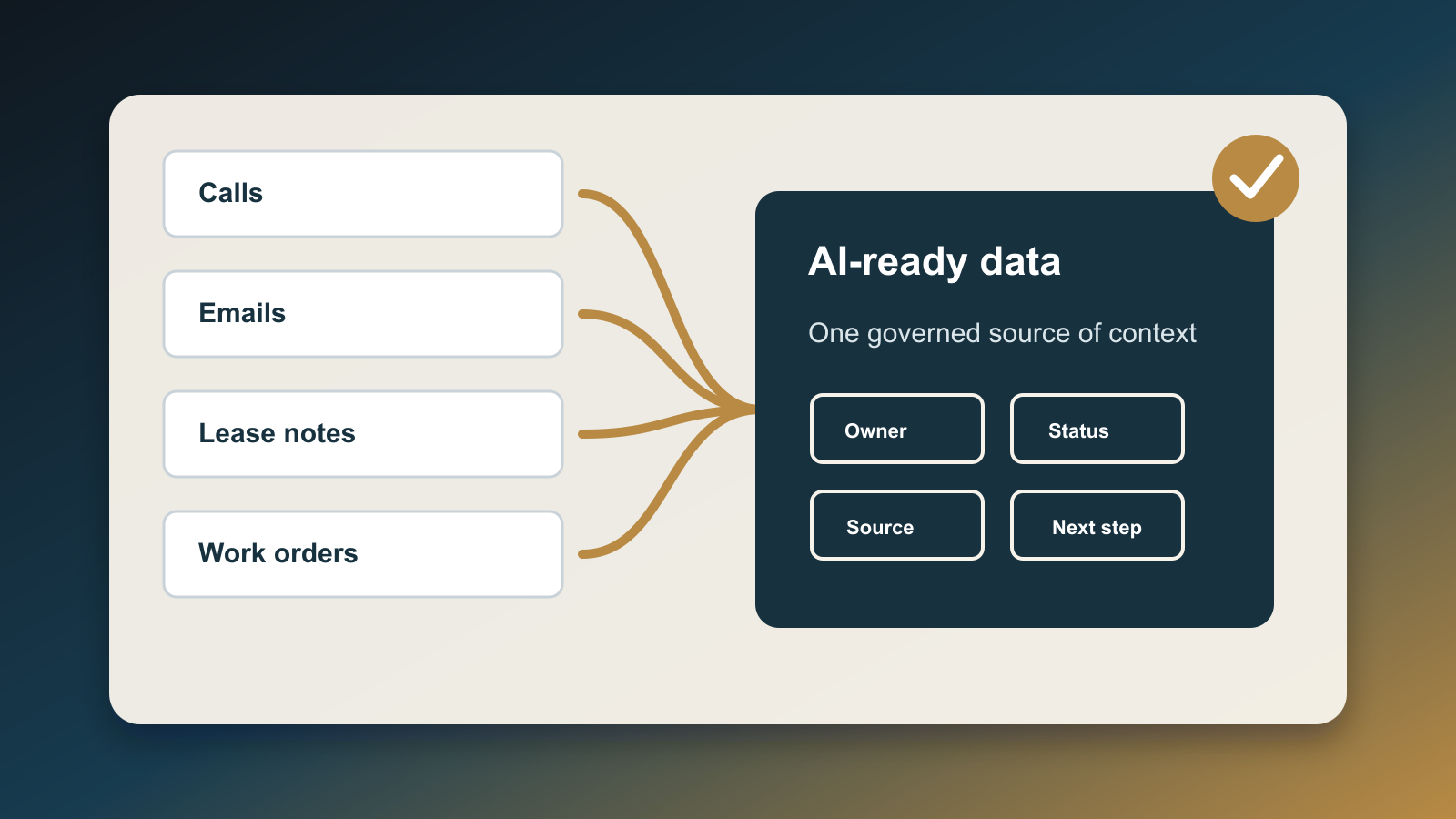
The operating problem is that most teams store this information across MLS attachments, transaction folders, email threads, inspection notes, lender requests, and old listing files. AI can retrieve all of it. Without a board, it cannot reliably know which version is authoritative.
What the triage board tracks
A useful HOA document triage board is not another document folder. It is a review state for each association-related source and each buyer question.
Start with document identity. The board should record the association name, property address, document type, source, received date, effective date, version, and expiration or review date. Rules and budgets change. Meeting minutes can be newer than the resale package. A lender questionnaire can be newer than the listing attachment. AI should not answer from a document unless the board marks it as current enough for that question.
Next, classify question risk. Low-risk questions might include where to find a document, whether the buyer has received a packet, or which team member owns the request. Medium-risk questions might involve dues, amenity access, move-in rules, parking, or basic architectural process. High-risk questions include financing eligibility, special assessments, litigation, insurance coverage, rental restrictions, occupancy limits, disability accommodation, familial status, or any answer that sounds like legal interpretation.
Then add answer permission. Each item should have an allowed response type: summarize only, cite source paragraph, route to lender, route to association, route to attorney, request updated documents, or hold for agent approval. This is where the board becomes useful for automation. The AI does not need to guess the workflow. It reads the state and performs the next approved action.
The source hierarchy
The board should make the source hierarchy explicit.
For association questions, the hierarchy usually starts with current resale or disclosure packets, governing documents, rules and regulations, budgets, insurance summaries, meeting minutes, lender questionnaires, association manager responses, and written seller disclosures. Listing remarks and old CRM notes should rank lower. Buyer hearsay should not be used as proof.
For financing questions, the lender's project review process matters. Fannie Mae's project standards page, updated in April 2026, organizes requirements around project standards and eligibility. A real estate team does not need to turn agents into underwriters, but the system must know when a condo or association question could affect loan review. Those items should route to the lender instead of becoming a polished AI answer.
For fair-housing-sensitive questions, the board should force a human review. HUD's Fair Housing Act overview lists protected classes including race, color, national origin, religion, sex, familial status, and disability. HOA rules can involve occupancy, service animals, amenities, parking, and accommodation requests. AI-generated language around those topics should be conservative, source-cited, and reviewed before delivery.
How AI should use the board
Give the AI four jobs.
First, extract. It can read the current packet and break it into structured fields: dues amount, payment frequency, transfer fees, rental rule, pet rule, parking rule, insurance contact, pending assessment mention, litigation mention, reserve or budget reference, architectural approval process, and unanswered questions.
Second, compare. It can flag conflicts between sources, such as a listing note that says rentals are allowed and a newer rule packet that limits rentals. Conflict detection is often more valuable than summarization because it tells the team where a human needs to intervene.
Third, draft. It can prepare a client-facing answer only when the board permits that answer type. The draft should cite the source document and include a plain next step. For example: "The current rules packet says pets are allowed subject to the restrictions in Section 4. I am sending that section with the packet and asking the association manager to confirm whether any newer pet-policy update exists."
Fourth, route. If the question touches financing, fair housing, legal interpretation, special assessments, insurance gaps, litigation, or missing documents, AI should not answer directly. It should create the task, assign the owner, attach the source, and mark the buyer communication as waiting for confirmation.
The minimum fields
The first version can be simple.
Use these fields:
- Property address
- Association name
- Source document name
- Source owner
- Received date
- Effective date
- Version status
- Question category
- Risk level
- Current source link
- Conflict status
- Approved response type
- Human owner
- Buyer-facing answer status
- Follow-up deadline
- Final answer evidence
The important field is approved response type. Without it, AI has no operational boundary. With it, the same model can summarize a low-risk rule, draft a lender request, or hold a high-risk answer without creating confusion.
A practical workflow
Run every HOA or condo buyer question through the same sequence.
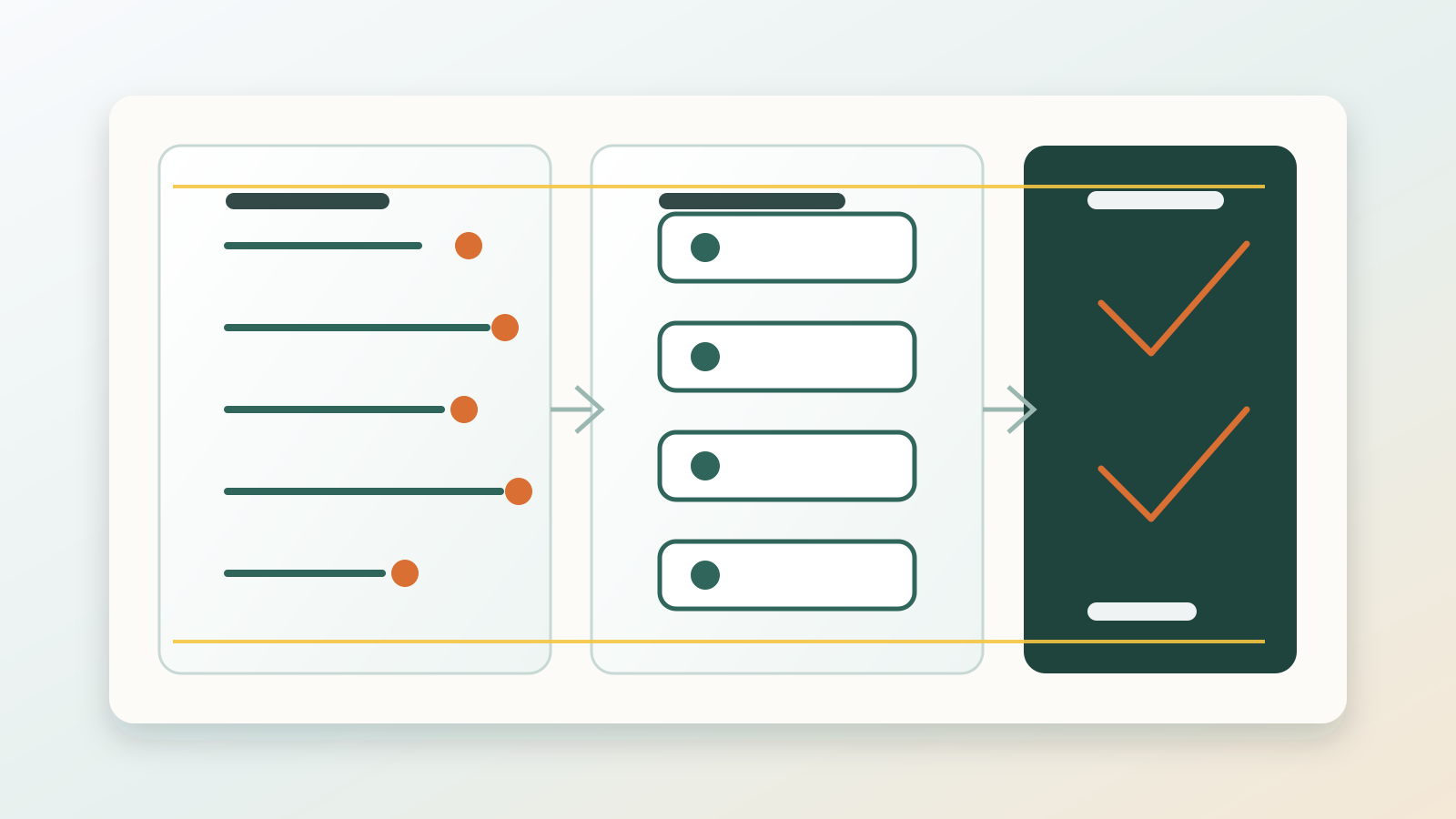
- Capture the exact buyer question in the CRM.
- Attach the source document or mark the source as missing.
- Classify the question as dues, rule, financing, use restriction, assessment, insurance, governance, accommodation, or general document request.
- Compare all available sources for conflicts.
- Assign the allowed response type.
- Draft only from the approved source.
- Require human approval for medium and high-risk answers.
- Store the final answer and source evidence back on the deal record.
This turns AI from a free-form explainer into a transaction-support layer. The buyer still gets a faster answer, but the answer is tied to a document, an owner, and an approval state.
What to avoid
Do not let AI answer from a stale listing description. Do not let it infer HOA policy from another property in the same neighborhood. Do not let it turn a lender eligibility issue into a casual buyer reassurance. Do not let it paraphrase accommodation or protected-class questions without review. Do not let it cite a document that the buyer has not actually received.
The risk is not that AI will be obviously wrong. The risk is that it will be mostly right, too polished, and missing the one qualifier that matters.
The business payoff
NAR's 2025 technology survey shows that real estate professionals are already using AI-generated content and other digital tools in client service. The question is no longer whether teams will use AI around transaction questions. They will. The practical question is whether the team's operating system tells AI what it is allowed to say.
An HOA document triage board gives the business that control. It reduces repeated document hunting, makes buyer communication more consistent, creates a defensible source trail, and keeps financing or fair-housing-sensitive answers in the right lane.
The best version is not complicated. It is a structured pause between "the AI found something" and "the buyer received an answer." In that pause, the team verifies the source, checks the risk, assigns the owner, and decides what the system may do next.
That is the difference between AI summarizing documents and AI supporting a real transaction workflow.

Written by
Ben Laube
AI Implementation Strategist & Real Estate Tech Expert
Ben Laube helps real estate professionals and businesses harness the power of AI to scale operations, increase productivity, and build intelligent systems. With deep expertise in AI implementation, automation, and real estate technology, Ben delivers practical strategies that drive measurable results.
View full profile