#Real Estate Operations
Insights tagged with Real Estate Operations — AI, real estate, and business innovation from Ben Laube.
View all insights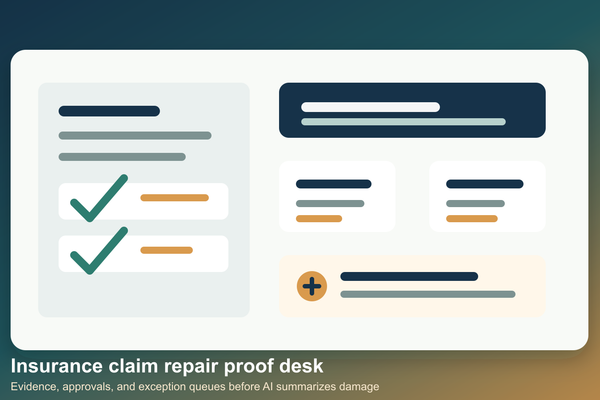
Build an Insurance Claim Repair Proof Desk Before AI Summarizes Damage
AI can help real estate teams coordinate claim repair files, but only after receipts, scopes, settlement letters, contractor proof, and approval gates are structured.
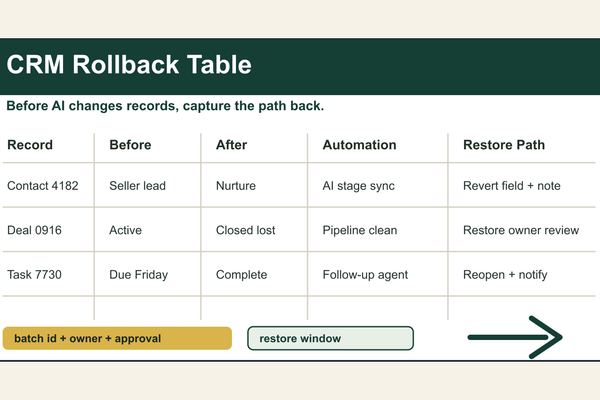
Build a CRM Rollback Table Before AI Changes Records
AI can clean CRM records quickly, but teams need a rollback table that captures before values, batch IDs, approval, restore paths, and downstream pauses before production data changes.
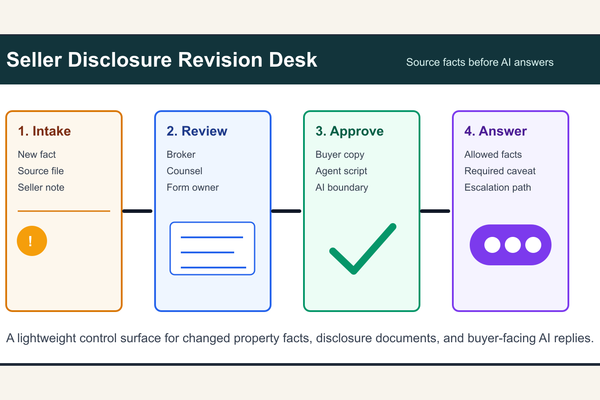
Build a Seller Disclosure Revision Desk Before AI Answers Buyers
Changed property facts need source records, review, approved language, and AI permission before buyer-facing answers go out.
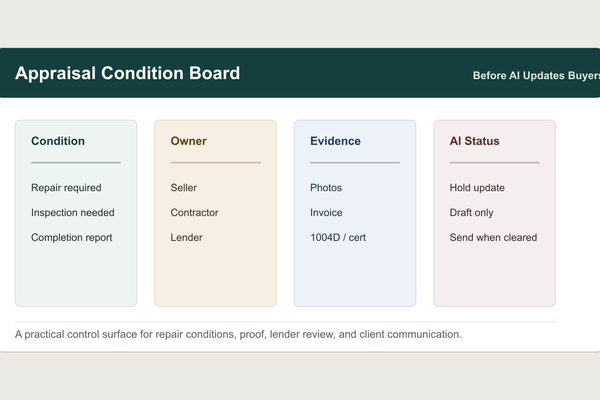
Build an Appraisal Condition Board Before AI Updates Buyers
Before AI summarizes appraisal repairs or lender conditions for a buyer, give the team one board for status, evidence, review, and clearance.
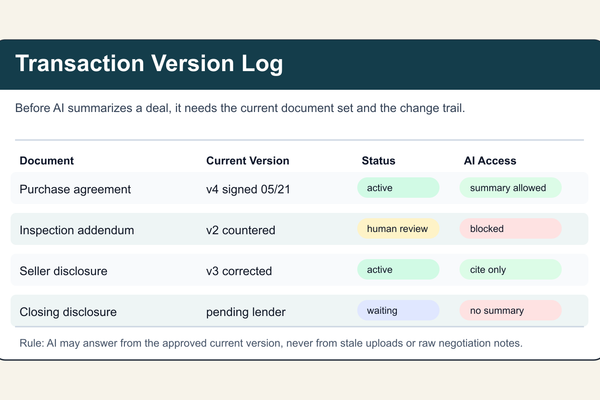
Build a Transaction Version Log Before AI Summarizes Deals
AI can summarize transaction status only after the team identifies the current agreement, superseded addenda, approved facts, and document changes it is allowed to use.
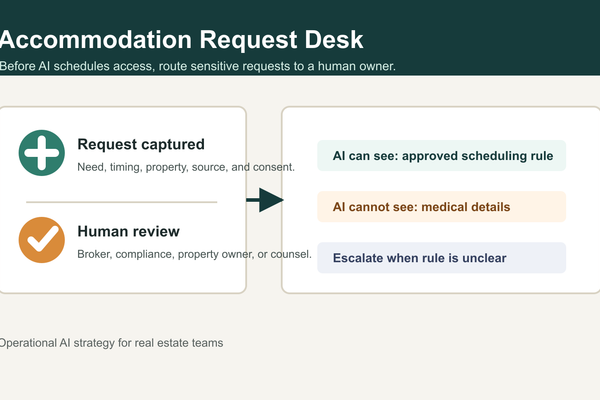
Build an Accommodation Request Desk Before AI Schedules Showings
AI can help real estate teams coordinate showing logistics, but accommodation requests need a documented intake, review, and approval path before automation sends instructions.

Build a Special-Assessment Tracker Before AI Advises Condo Buyers
Condo and HOA assessment questions need verified board, budget, lender, and disclosure evidence before AI drafts buyer guidance or seller updates.
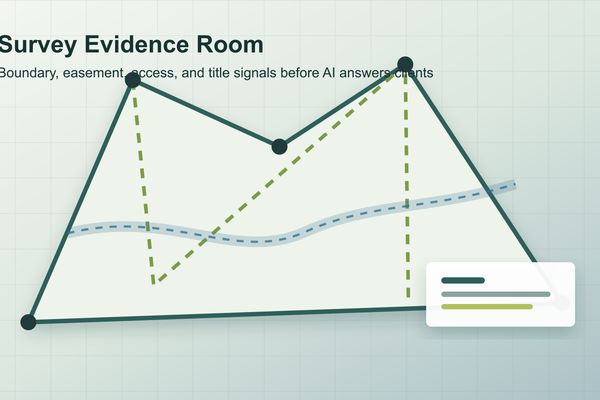
Build a Survey Evidence Room Before AI Answers Property-Line Questions
Property-line, easement, and access questions are too sensitive for AI to summarize from loose notes. Build a survey evidence room that controls what the system may answer, route, or hold for expert review.
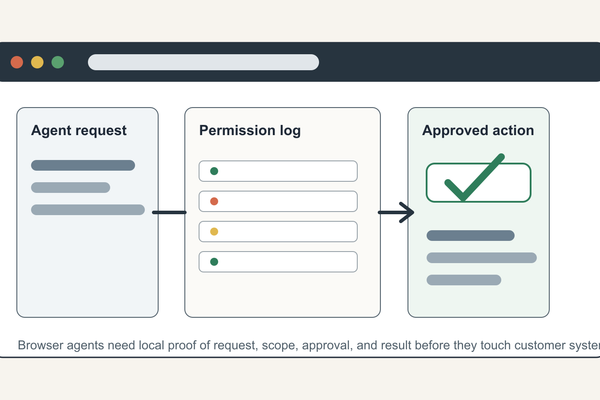
Build a Browser-Agent Permission Log Before AI Uses Your CRM
Browser agents can click through real business systems, but platform safety gates do not replace a local permission log. Give CRM automation a record of request, scope, approval, result, and rollback before AI acts.
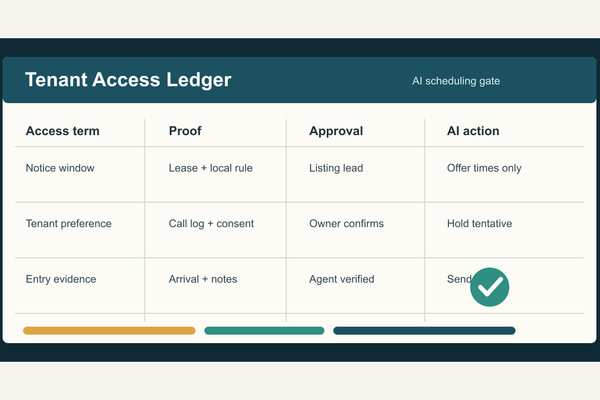
Build a Tenant-Access Ledger Before AI Books Occupied Listings
Tenant-occupied listings need a verified access ledger before AI offers showing times, sends confirmations, or summarizes appointment status.
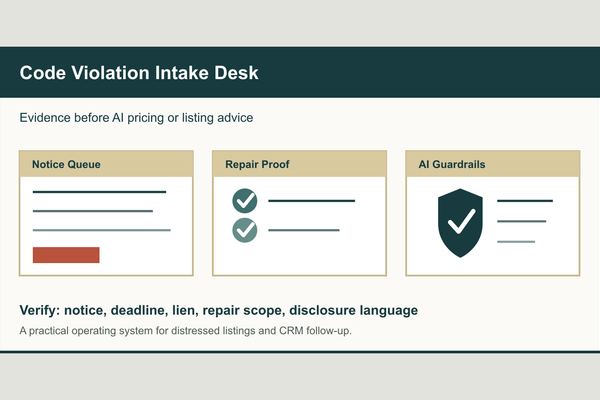
Build a Code Violation Intake Desk Before AI Prices Distressed Listings
A code-violation intake desk keeps AI from guessing about municipal notices, repair duties, disclosure risk, and distressed-listing pricing.

Build a Post-Closing Tax Document Handoff Before AI Answers Homeowners
A post-closing tax document handoff keeps AI useful after closing without letting it improvise tax advice from incomplete transaction records.

Build a Probate Document Room Before AI Answers Estate Sellers
Estate-sale files need authority, mortgage, title, and tax-context evidence before AI drafts client updates or listing guidance. Build a probate document room first.

Build a School Boundary Evidence File Before AI Answers Buyers
HUD changed the school-quality conversation in April 2026. Real estate teams need objective school-boundary source files before AI drafts buyer-facing answers.
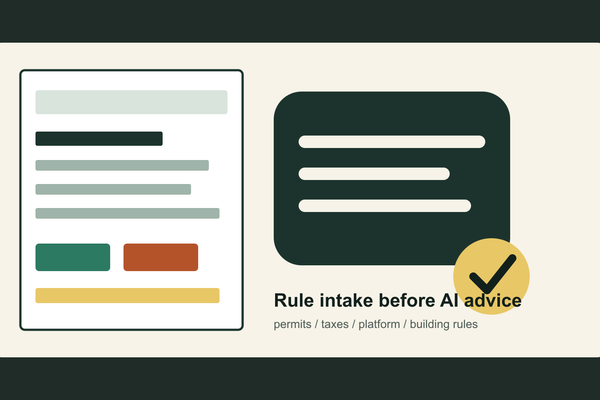
Build a Short-Term Rental Rule Intake Before AI Advises Investors
Short-term rental advice crosses zoning, platform, tax, building-rule, and fraud-risk boundaries. Give AI a rule intake before it answers investors.
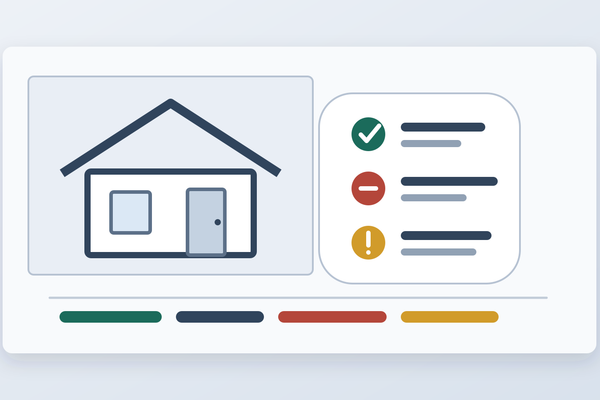
Build a Vacant Property Watch Board Before AI Advises Sellers
Vacant listings need a verified watch board before AI drafts seller updates about access, security, vendors, repairs, coverage-sensitive questions, or property status.
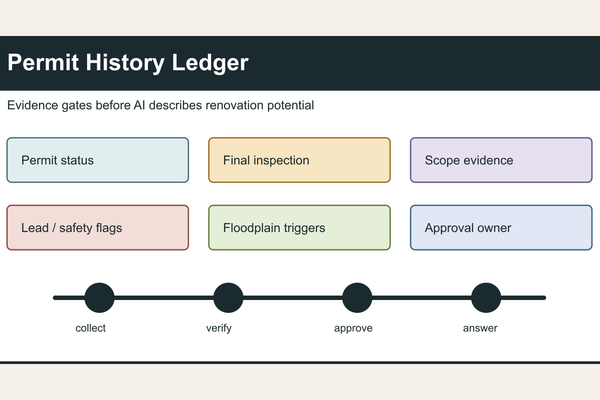
Build a Permit History Ledger Before AI Describes Renovation Potential
Renovation potential is easy for AI to overstate. A permit history ledger gives real estate teams the evidence gate they need before AI discusses additions, conversions, repairs, or remodels.
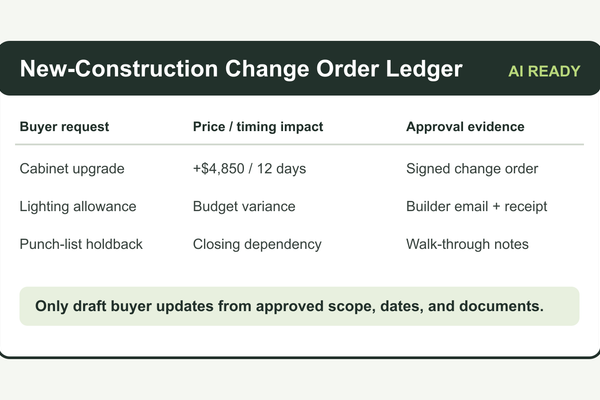
Build a New-Construction Change Order Ledger Before AI Updates Buyers
New-construction buyer updates need approved scope, price, timing, and warranty evidence before AI drafts client-facing language.
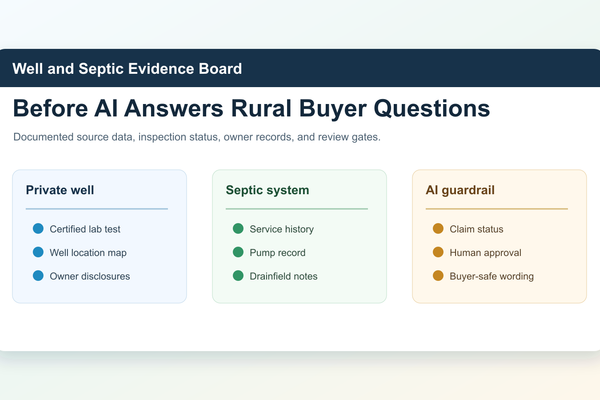
Build a Well and Septic Evidence Board Before AI Answers Rural Buyer Questions
Private wells and septic systems need verified source records before AI drafts buyer updates. A simple evidence board keeps rural-property communication fast, useful, and accountable.
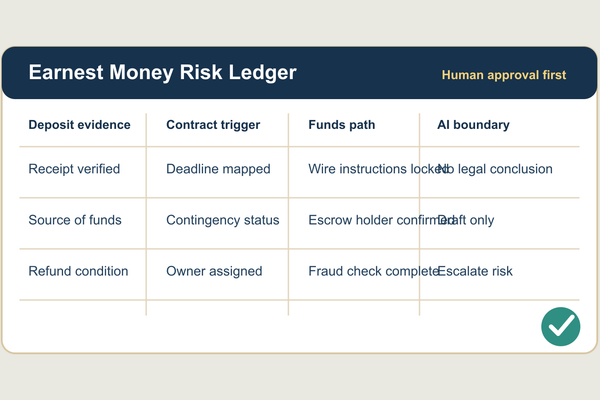
Build an Earnest Money Risk Ledger Before AI Explains Deposits
Earnest money questions are financial, contractual, and fraud-sensitive. Real estate teams need a risk ledger before AI drafts deposit explanations for buyers or sellers.
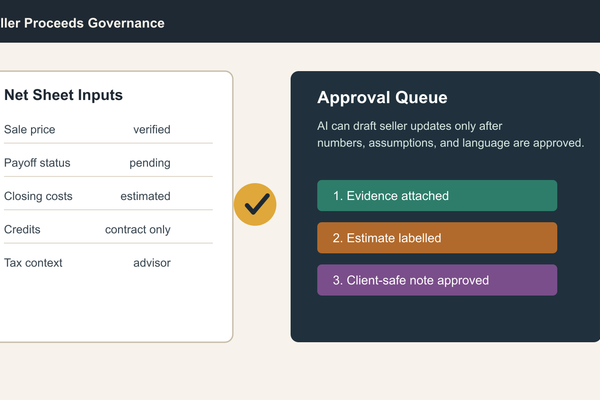
Build a Seller Net Sheet Approval Queue Before AI Talks Proceeds
AI can turn seller math into confident proceeds language too quickly. Build a net sheet approval queue so estimates, payoffs, closing costs, credits, and tax-sensitive caveats are verified before clients see a number.
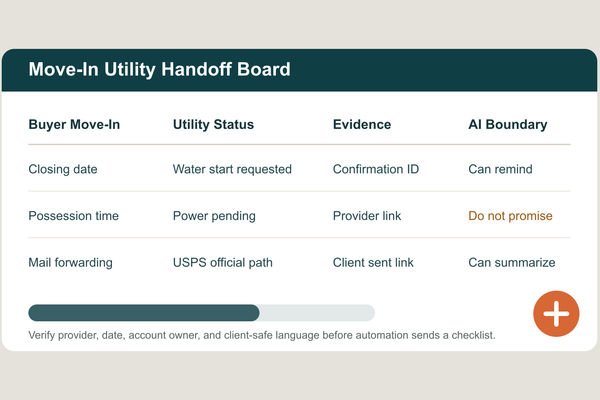
Build a Move-In Utility Handoff Board Before AI Sends Buyer Checklists
AI can personalize buyer move-in reminders, but utility setup needs verified provider, date, status, and scam-safe language first. Build a handoff board before automation sends checklists.
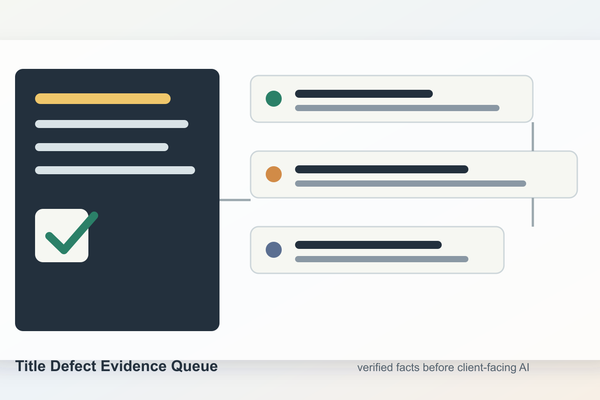
Build a Title Defect Evidence Queue Before AI Explains Closing Delays
AI can draft clearer closing updates, but title-sensitive language needs verified evidence first. Build a queue that separates defects, required cures, authority review, and client-safe status before any model explains delays.
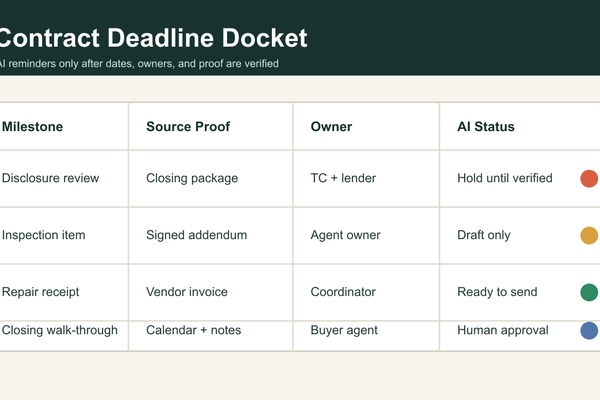
Build a Contract Deadline Docket Before AI Sends Transaction Reminders
AI can draft transaction reminders quickly, but real estate teams need a deadline docket that ties every client update to source documents, owners, approvals, and escalation rules first.
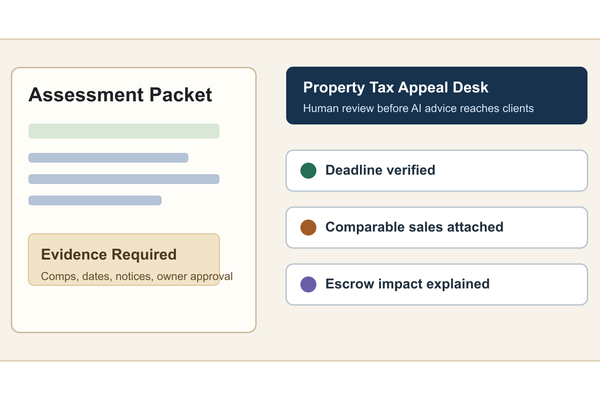
Build a Property Tax Appeal Desk Before AI Advises Homeowners
Property-tax and escrow questions can turn into risky AI advice fast. A simple appeal desk separates document explanation, evidence review, local deadlines, and human approval before any homeowner receives a recommendation.
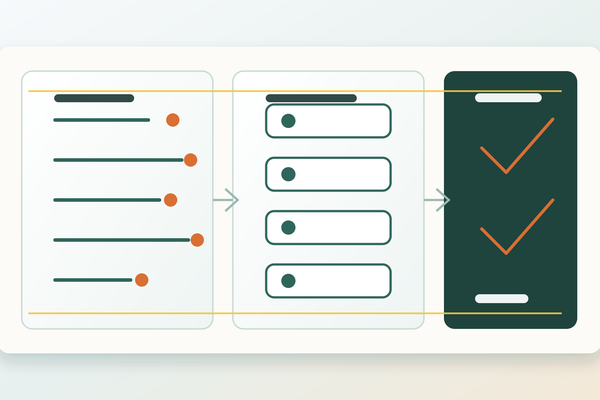
Build an HOA Document Triage Board Before AI Answers Buyer Questions
AI can summarize HOA rules quickly, but real estate teams need a document triage board that verifies source documents, financing impact, fair-housing risk, and human approval before buyers get answers.
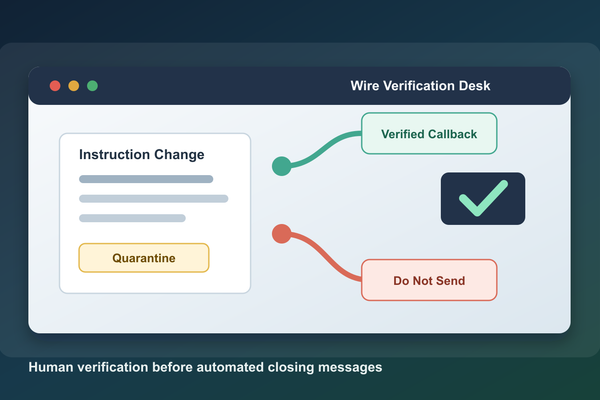
Build a Wire-Instruction Verification Desk Before AI Sends Closing Updates
AI can speed up closing communication, but real estate teams need a wire-instruction verification desk before automated updates touch payment-risk workflows.
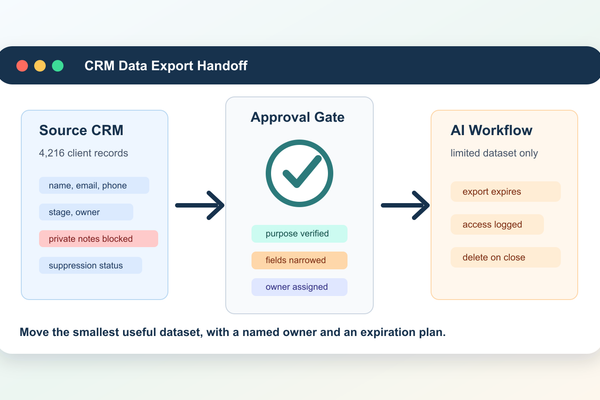
Build a Data Export Handoff Before AI Moves CRM Records
Real estate teams need a CRM data-export approval step before AI syncs, enriches, or moves client records into new tools.
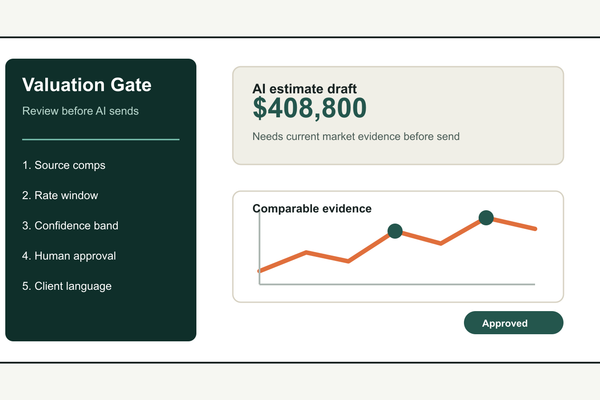
Build a Valuation Review Gate Before AI Sends Home Estimates
AI can draft home estimates quickly, but real estate teams need a valuation review gate that checks sources, confidence, market context, and approval before clients see a number.

Build a Client Preference Ledger Before AI Recommends Neighborhoods
AI can rank listings quickly, but real estate teams need a client preference ledger before neighborhood recommendations turn vague buyer language into risky advice.
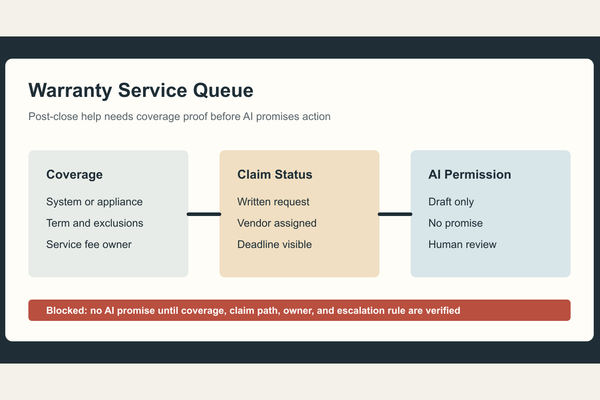
Build a Home Warranty Service Queue Before AI Promises Help
AI can speed up post-close service, but real estate teams need a warranty service queue that verifies coverage, claim paths, owners, and approved language before clients see promises.
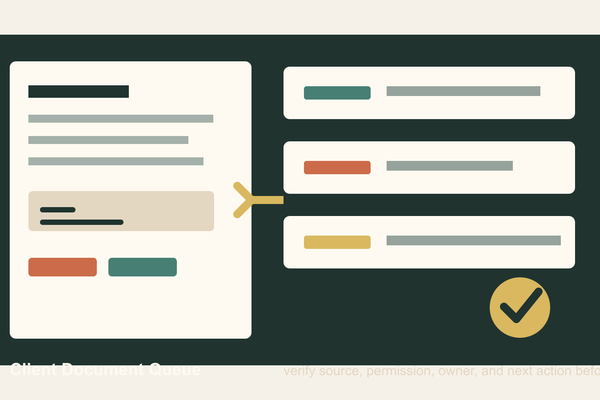
Build a Client Document Queue Before AI Chases Missing Files
AI can speed up real estate document follow-up, but only after missing-file requests have source evidence, sensitivity rules, owners, and approved client-facing actions.
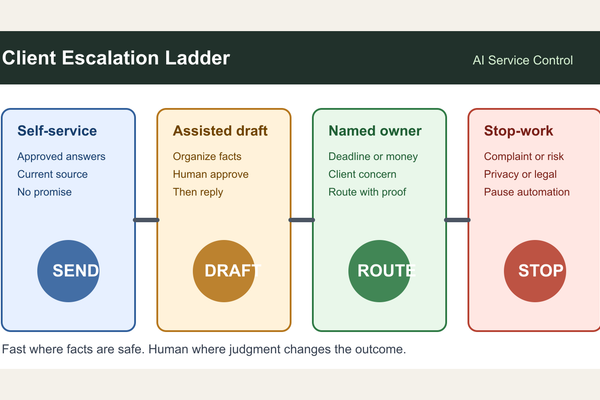
Build a Client Escalation Ladder Before AI Handles Service Replies
AI can answer routine service questions quickly, but real estate teams need an escalation ladder first so client risk, deadlines, complaints, and trust moments reach the right human owner.
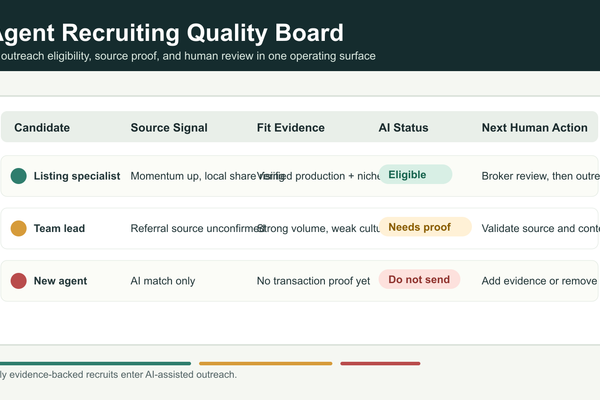
Build an Agent Recruiting Quality Board Before AI Sends Outreach
AI can help brokerages find and message recruiting prospects, but it should not turn weak signals into confident outreach. An agent recruiting quality board keeps production evidence, source context, fit, consent, and human review visible before AI touches the candidate.
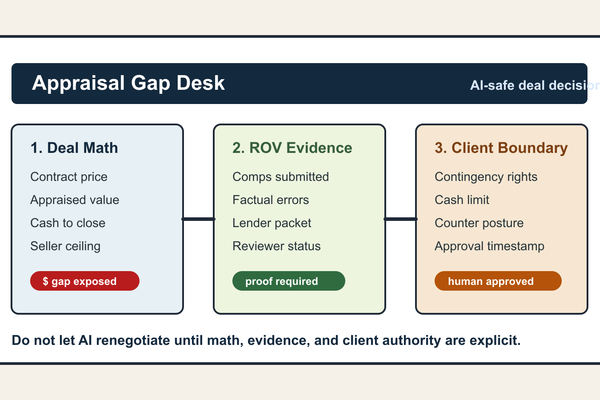
Build an Appraisal Gap Desk Before AI Renegotiates Deals
AI can explain a low appraisal, but real estate teams need an appraisal gap desk before it drafts renegotiation, ROV, or client guidance.
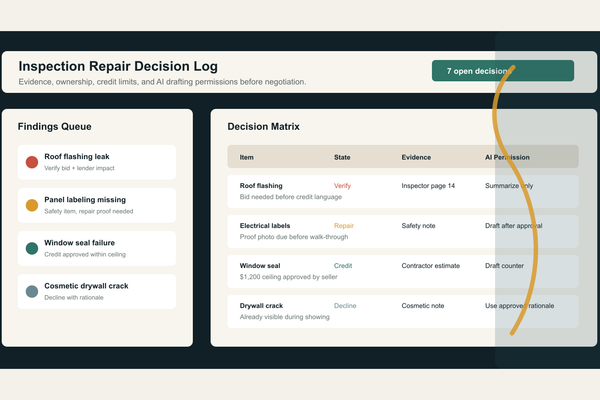
Build an Inspection Repair Decision Log Before AI Negotiates Credits
AI can summarize inspection reports, but real estate teams need a repair decision log before it drafts credits, counters, or client negotiation language.
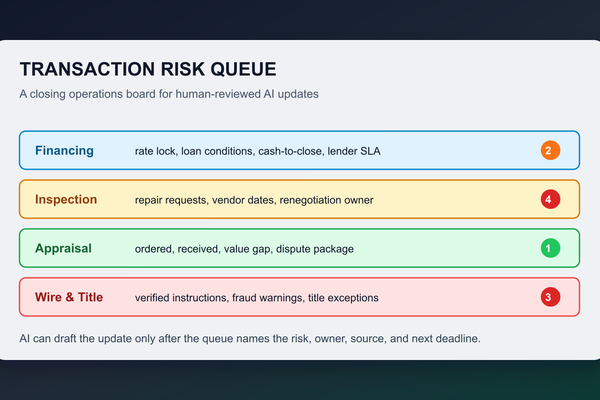
Build a Transaction Risk Queue Before AI Updates Closings
AI can draft polished closing updates, but real estate teams need a transaction risk queue first so financing, appraisal, inspection, title, and wire risks stay visible before clients hear from automation.
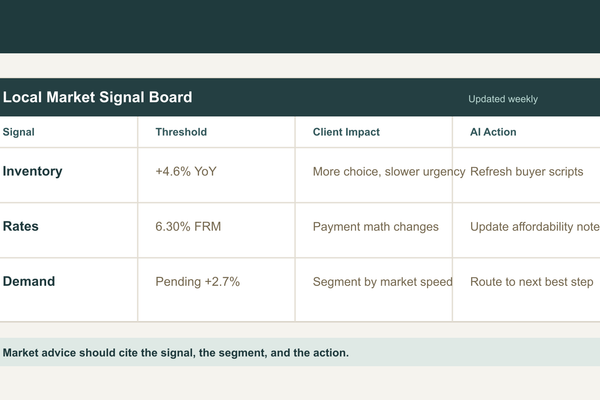
Build a Market Signal Board Before AI Writes Local Advice
AI can draft local market updates quickly, but real estate teams need a market signal board first so advice reflects current inventory, rates, demand, and client segment rules.
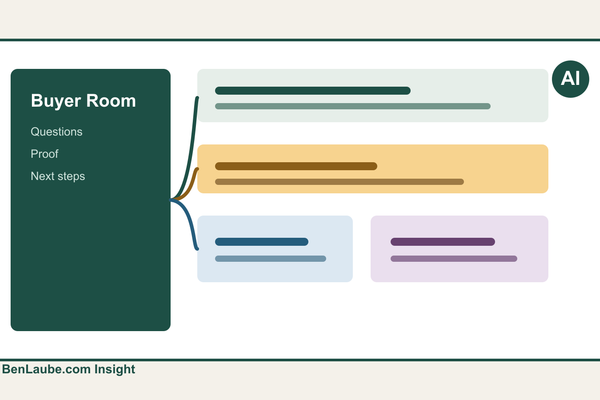
Build a Buyer Education Room Before AI Handles Follow-Up
AI follow-up should not just send faster messages. A buyer education room turns each lead question into approved guidance, proof, next steps, CRM context, and a cleaner human handoff.
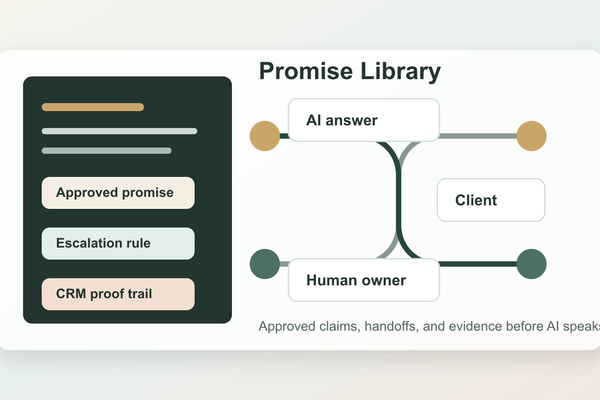
Give Customer-Facing AI a Promise Library
Customer-facing AI should not improvise guarantees, timelines, fees, or next steps. A promise library tells every chatbot, voice agent, CRM assistant, and marketing automation what it may say, when it must escalate, and where proof lives.
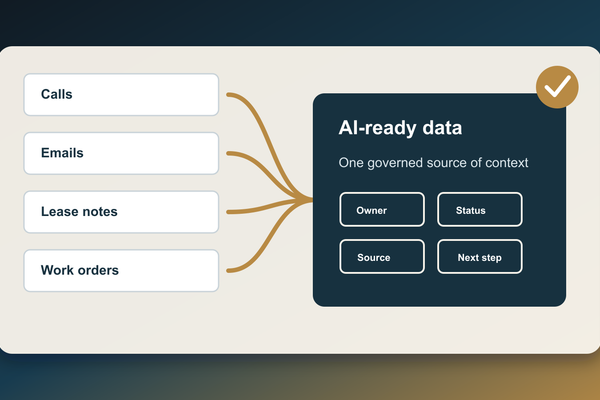
Turn Unstructured Real Estate Work Into AI-Ready Data
Real estate teams already have the raw material for better AI: calls, emails, lease notes, work orders, and showing feedback. The advantage comes from turning that mess into governed operational records.
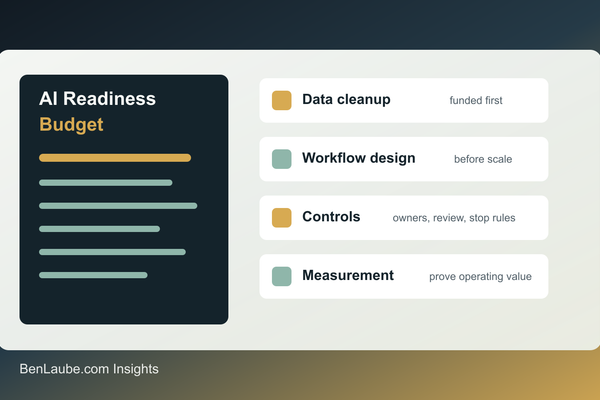
Put AI Readiness in the Real Estate Budget
AI tools are spreading faster than the operating work needed to support them. Real estate teams should budget for data cleanup, workflow design, controls, training, and measurement before automation scales.
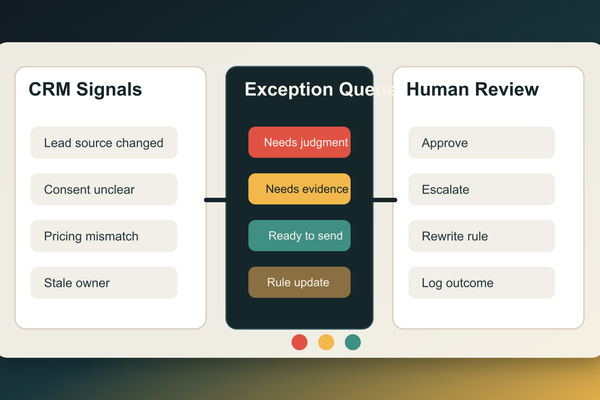
The Exception Queue Is the AI Agent Interface
AI agents should not make every judgment inside the workflow. Real estate teams need exception queues that route risk, capture evidence, and turn edge cases into better operating rules.
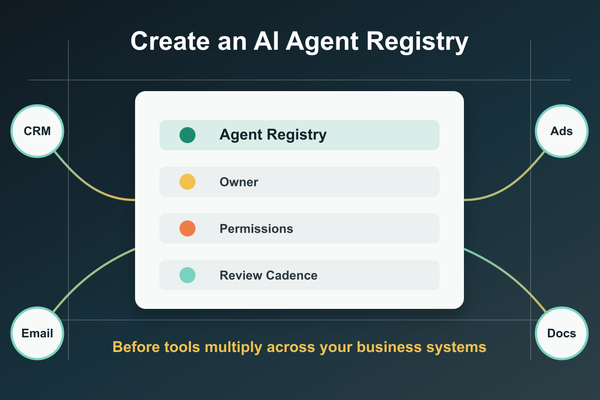
Create an AI Agent Registry Before Tools Multiply
AI agents are spreading through CRMs, email tools, ads, and document workflows. A simple registry gives real estate teams ownership, permission, review, and measurement discipline before automation becomes invisible.
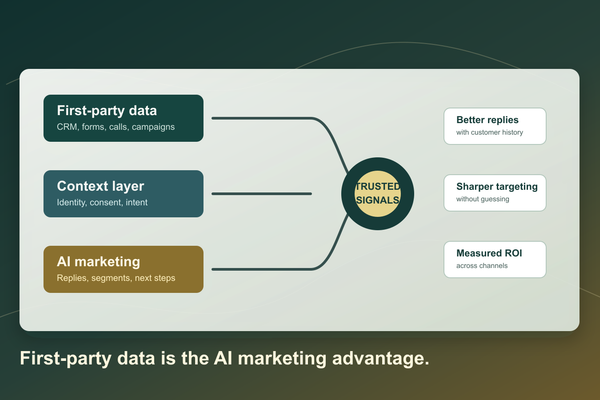
First-Party Data Is the AI Marketing Advantage
AI marketing is no longer scarce. Real estate teams win by connecting CRM, consent, source, and outcome data before adding more agents or campaigns.
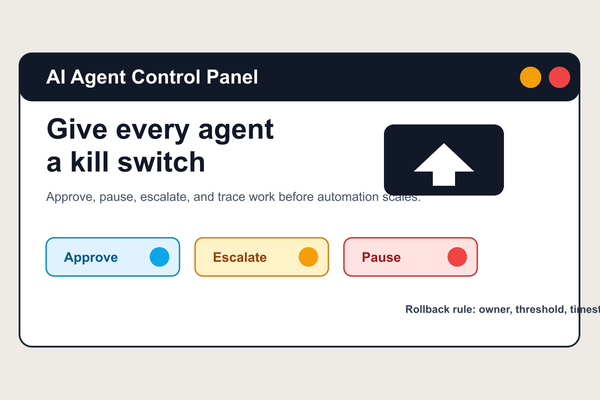
Give Every AI Agent a Kill Switch
Real estate teams should add pause rules, escalation paths, rollout limits, and audit logs before scaling AI agents into client-facing work.
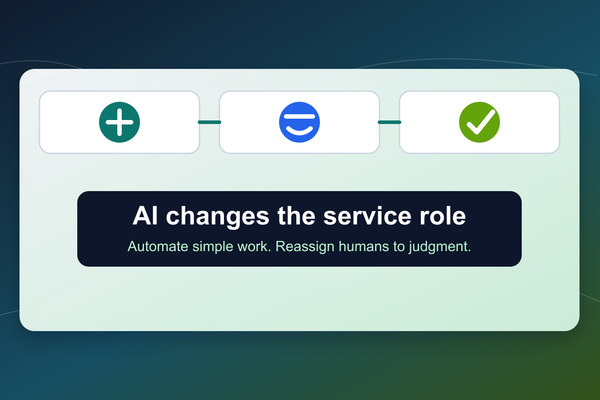
AI Is Rewriting Real Estate Service Roles
AI should not just make real estate teams faster at replying. The practical opportunity is to redesign service roles around judgment, context, exceptions, and client trust.
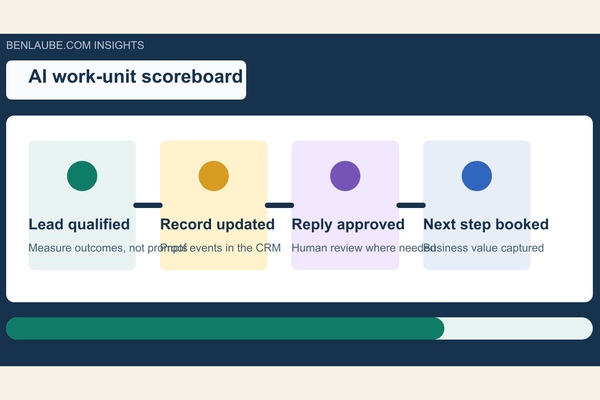
Measure AI Agents by Work Completed, Not Prompts Run
AI agents should be judged by completed business actions with proof in the CRM, not by prompts, drafts, or vague time-saved claims. Build a work-unit scoreboard first.
Before You Add AI Agents, Clean Your Real Estate CRM
AI agents only perform as well as the CRM data behind them. Use this practical audit to clean stages, sources, consent, notes, and ownership before automating real estate follow-up.

The Hidden Cost of Manual Data Entry in Real Estate Teams
Manual data entry costs real estate teams more than just time. Discover the true financial impact and how automation can save 15+ hours per agent weekly.