#Ai Strategy
Insights tagged with Ai Strategy — AI, real estate, and business innovation from Ben Laube.
View all insights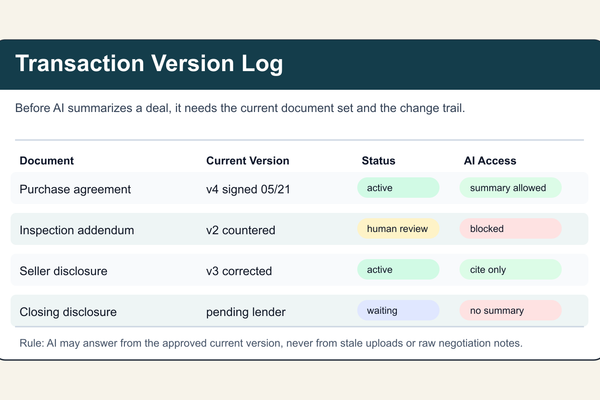
Build a Transaction Version Log Before AI Summarizes Deals
AI can summarize transaction status only after the team identifies the current agreement, superseded addenda, approved facts, and document changes it is allowed to use.
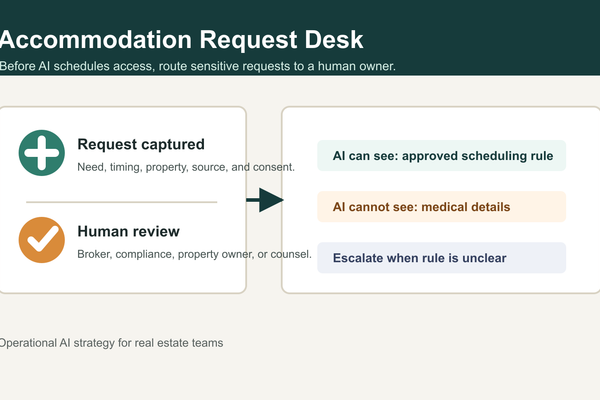
Build an Accommodation Request Desk Before AI Schedules Showings
AI can help real estate teams coordinate showing logistics, but accommodation requests need a documented intake, review, and approval path before automation sends instructions.
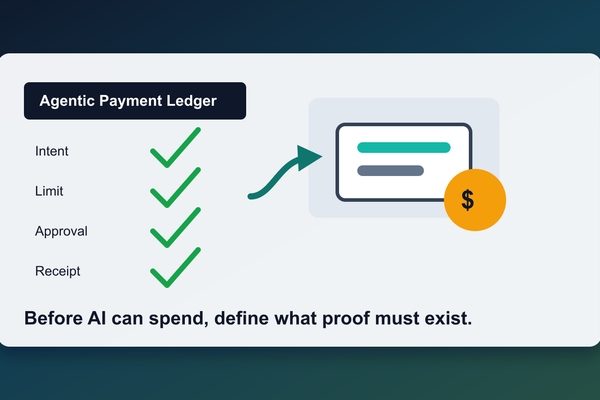
Build an Agentic Payment Approval Ledger Before AI Buys Anything
AI agents are getting closer to real payment authority. Before they buy ads, renew tools, pay vendors, or trigger B2B spend, businesses need a ledger that ties every transaction to intent, limits, evidence, approval, and rollback.

Build a Special-Assessment Tracker Before AI Advises Condo Buyers
Condo and HOA assessment questions need verified board, budget, lender, and disclosure evidence before AI drafts buyer guidance or seller updates.
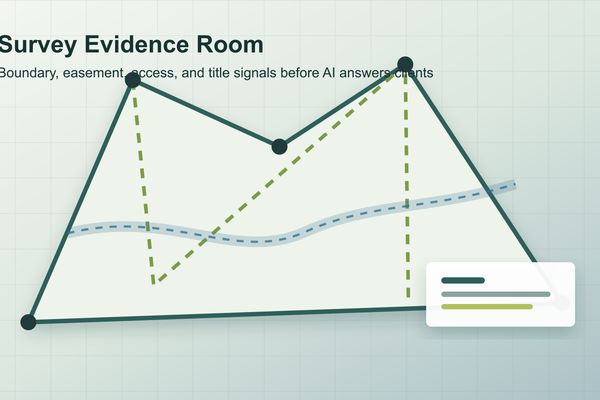
Build a Survey Evidence Room Before AI Answers Property-Line Questions
Property-line, easement, and access questions are too sensitive for AI to summarize from loose notes. Build a survey evidence room that controls what the system may answer, route, or hold for expert review.
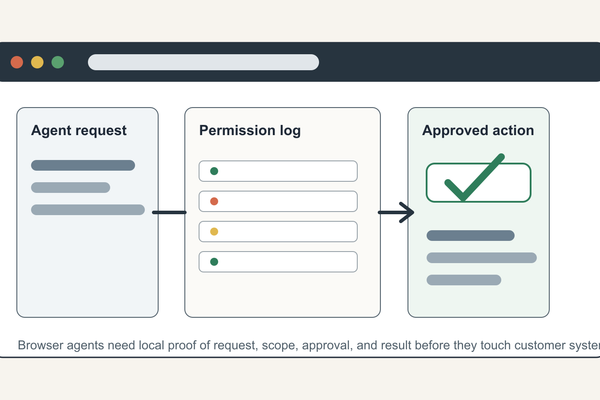
Build a Browser-Agent Permission Log Before AI Uses Your CRM
Browser agents can click through real business systems, but platform safety gates do not replace a local permission log. Give CRM automation a record of request, scope, approval, result, and rollback before AI acts.
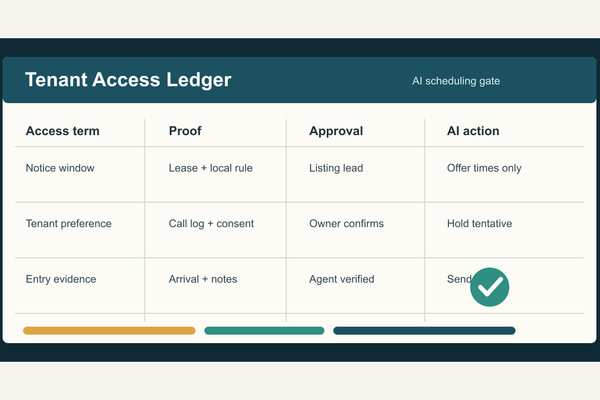
Build a Tenant-Access Ledger Before AI Books Occupied Listings
Tenant-occupied listings need a verified access ledger before AI offers showing times, sends confirmations, or summarizes appointment status.
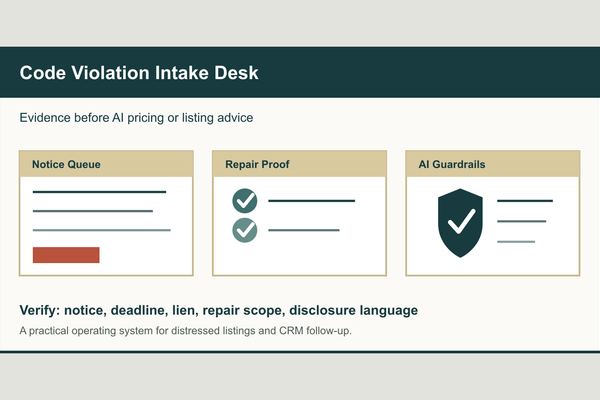
Build a Code Violation Intake Desk Before AI Prices Distressed Listings
A code-violation intake desk keeps AI from guessing about municipal notices, repair duties, disclosure risk, and distressed-listing pricing.

Build a Post-Closing Tax Document Handoff Before AI Answers Homeowners
A post-closing tax document handoff keeps AI useful after closing without letting it improvise tax advice from incomplete transaction records.
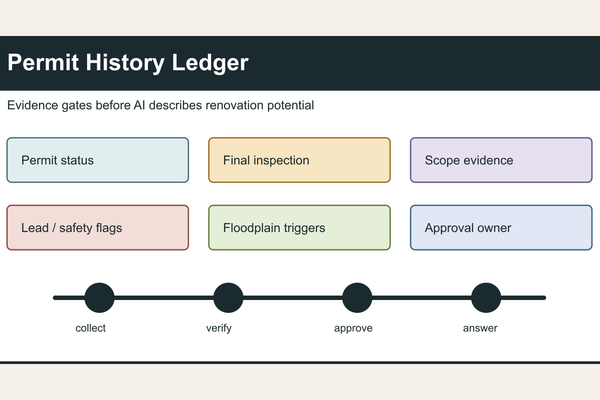
Build a Permit History Ledger Before AI Describes Renovation Potential
Renovation potential is easy for AI to overstate. A permit history ledger gives real estate teams the evidence gate they need before AI discusses additions, conversions, repairs, or remodels.
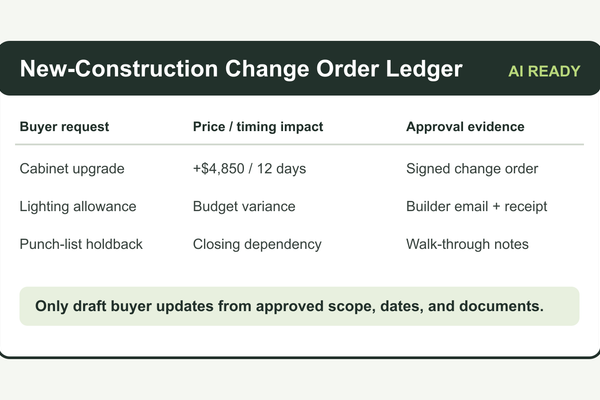
Build a New-Construction Change Order Ledger Before AI Updates Buyers
New-construction buyer updates need approved scope, price, timing, and warranty evidence before AI drafts client-facing language.
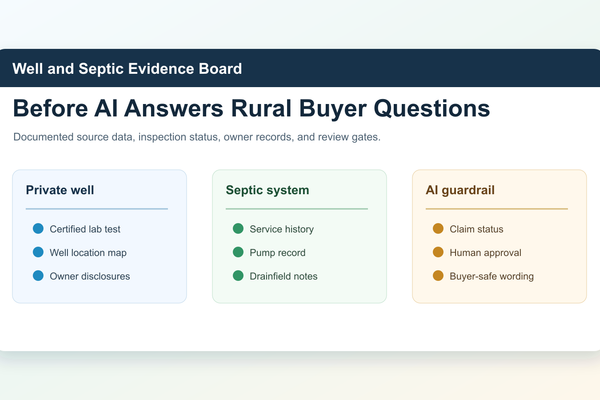
Build a Well and Septic Evidence Board Before AI Answers Rural Buyer Questions
Private wells and septic systems need verified source records before AI drafts buyer updates. A simple evidence board keeps rural-property communication fast, useful, and accountable.
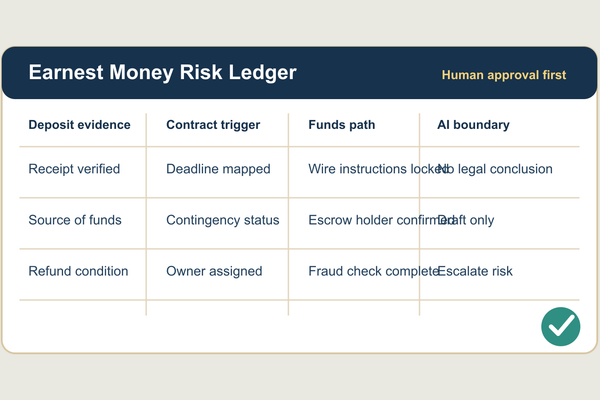
Build an Earnest Money Risk Ledger Before AI Explains Deposits
Earnest money questions are financial, contractual, and fraud-sensitive. Real estate teams need a risk ledger before AI drafts deposit explanations for buyers or sellers.

Build a Housing Ad Approval Queue Before AI Launches Campaigns
AI can draft real estate campaigns quickly, but housing ads need a launch gate that checks claims, audience settings, fair-housing risk, and human approval before spend.

Build a Client Preference Ledger Before AI Recommends Neighborhoods
AI can rank listings quickly, but real estate teams need a client preference ledger before neighborhood recommendations turn vague buyer language into risky advice.
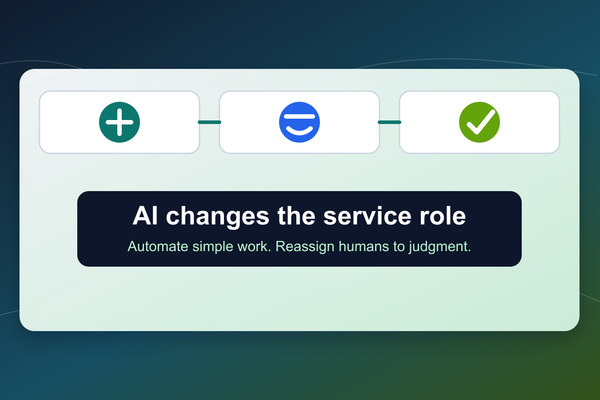
AI Is Rewriting Real Estate Service Roles
AI should not just make real estate teams faster at replying. The practical opportunity is to redesign service roles around judgment, context, exceptions, and client trust.
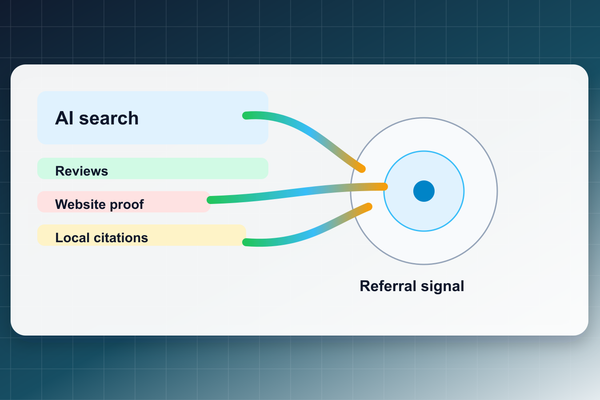
AI Search Is Becoming a Real Estate Referral Channel
AI search is becoming a local referral layer for real estate teams. The operators who win will keep reviews, citations, local proof, and website evidence fresh enough for both AI systems and cautious clients to verify.

Why Not Everyone Should Be an AI Builder
Most people shouldn't build AI—they should operate it. Here's when to buy, when to build, and why AI literacy beats builder hype.

AI in Business: Why 2026 Is an Operating System Shift, Not a Tool Upgrade
AI is no longer just a productivity add-on. In 2026, leading teams are redesigning workflows, decisions, and accountability around AI as a business operating system.

ChatGPT vs Custom AI Agents: What Business Owners Need to Understand
ChatGPT vs custom AI agents: when to use off-the-shelf vs build custom. Cost, control, integration, and a simple framework so business owners choose the right tool for the outcome.

How to Build an AI Knowledge Base for Your Real Estate Business (Step-by-Step Guide)
Build an AI-ready knowledge base for your real estate team in 6 steps: audit what you have, choose a structure, move content in, make it AI-readable, connect to your CRM and AI tools, and maintain it so it doesn’t go stale.

How AI Transformed My Real Estate Business in 90 Days
I used to spend 15 hours a week on admin tasks. Now I spend less than 2. Here's exactly how I did it and how you can too.