#Crm Automation
Insights tagged with Crm Automation — AI, real estate, and business innovation from Ben Laube.
View all insights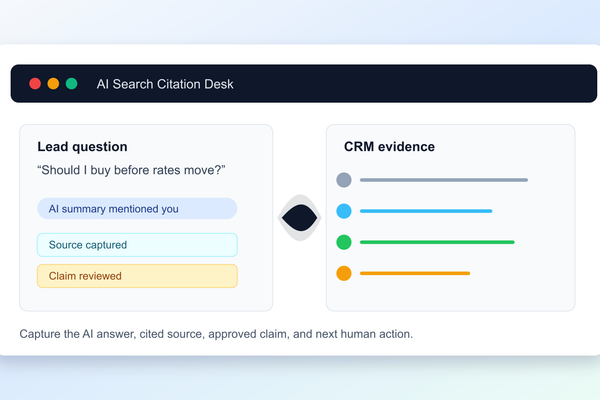
Build an AI Search Citation Desk Before Leads Trust the Summary
AI Search is turning buyer and seller discovery into synthesized answers before the first click. A citation desk gives CRM, marketing, and compliance teams a practical way to capture what leads saw, verify claims, and route safer follow-up.
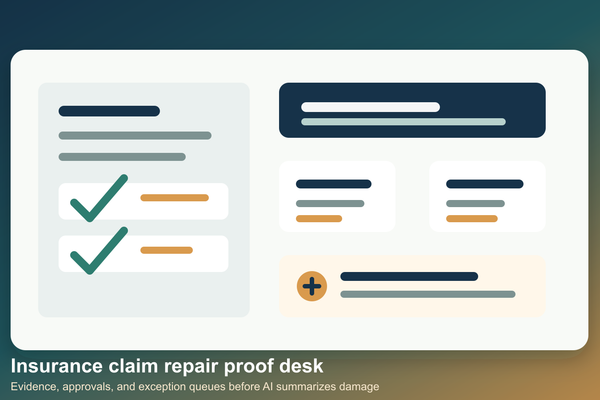
Build an Insurance Claim Repair Proof Desk Before AI Summarizes Damage
AI can help real estate teams coordinate claim repair files, but only after receipts, scopes, settlement letters, contractor proof, and approval gates are structured.
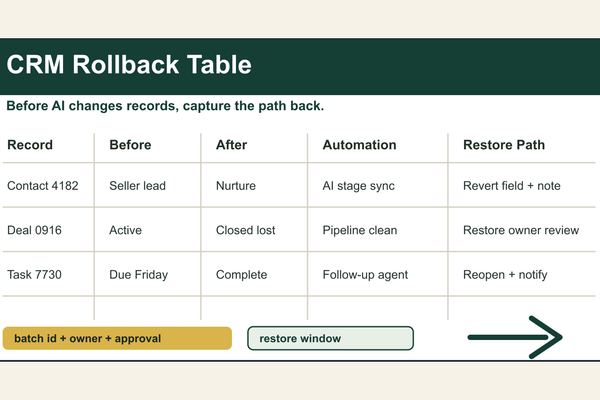
Build a CRM Rollback Table Before AI Changes Records
AI can clean CRM records quickly, but teams need a rollback table that captures before values, batch IDs, approval, restore paths, and downstream pauses before production data changes.
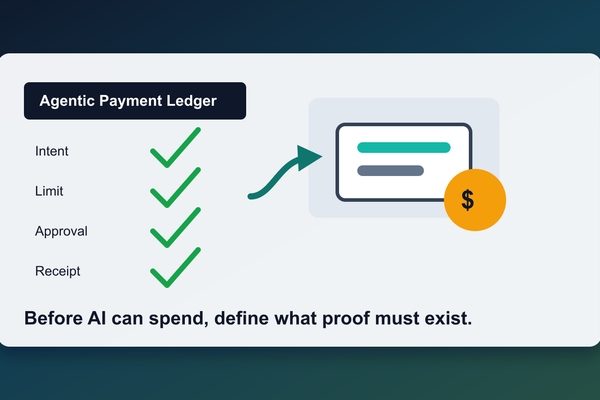
Build an Agentic Payment Approval Ledger Before AI Buys Anything
AI agents are getting closer to real payment authority. Before they buy ads, renew tools, pay vendors, or trigger B2B spend, businesses need a ledger that ties every transaction to intent, limits, evidence, approval, and rollback.

Build a Special-Assessment Tracker Before AI Advises Condo Buyers
Condo and HOA assessment questions need verified board, budget, lender, and disclosure evidence before AI drafts buyer guidance or seller updates.
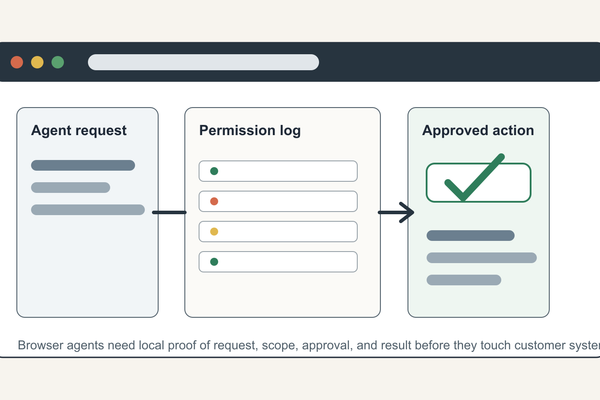
Build a Browser-Agent Permission Log Before AI Uses Your CRM
Browser agents can click through real business systems, but platform safety gates do not replace a local permission log. Give CRM automation a record of request, scope, approval, result, and rollback before AI acts.
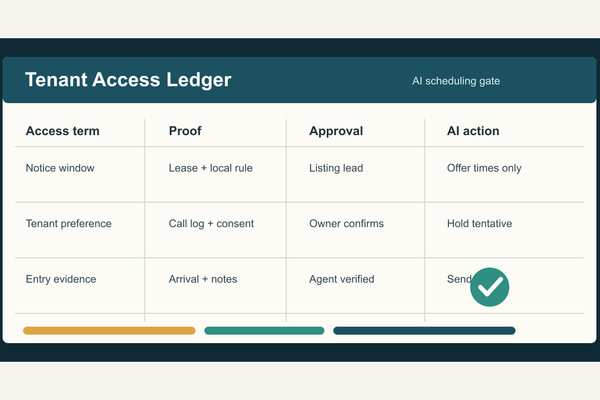
Build a Tenant-Access Ledger Before AI Books Occupied Listings
Tenant-occupied listings need a verified access ledger before AI offers showing times, sends confirmations, or summarizes appointment status.
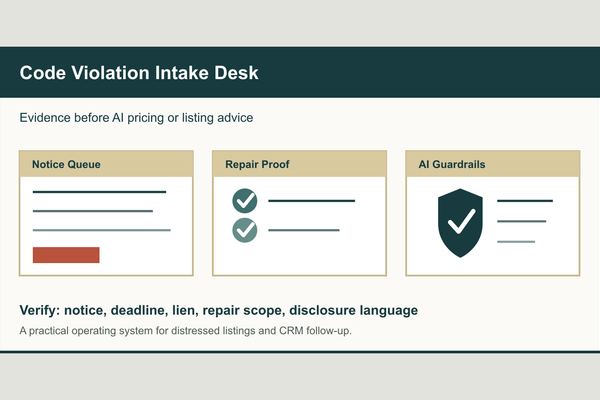
Build a Code Violation Intake Desk Before AI Prices Distressed Listings
A code-violation intake desk keeps AI from guessing about municipal notices, repair duties, disclosure risk, and distressed-listing pricing.

Build a Post-Closing Tax Document Handoff Before AI Answers Homeowners
A post-closing tax document handoff keeps AI useful after closing without letting it improvise tax advice from incomplete transaction records.

Build a Probate Document Room Before AI Answers Estate Sellers
Estate-sale files need authority, mortgage, title, and tax-context evidence before AI drafts client updates or listing guidance. Build a probate document room first.

Build a School Boundary Evidence File Before AI Answers Buyers
HUD changed the school-quality conversation in April 2026. Real estate teams need objective school-boundary source files before AI drafts buyer-facing answers.
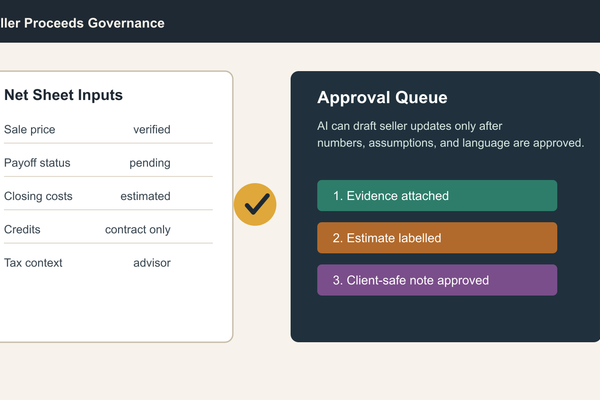
Build a Seller Net Sheet Approval Queue Before AI Talks Proceeds
AI can turn seller math into confident proceeds language too quickly. Build a net sheet approval queue so estimates, payoffs, closing costs, credits, and tax-sensitive caveats are verified before clients see a number.
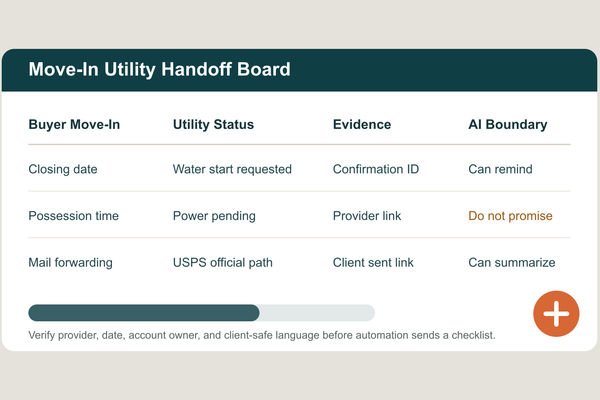
Build a Move-In Utility Handoff Board Before AI Sends Buyer Checklists
AI can personalize buyer move-in reminders, but utility setup needs verified provider, date, status, and scam-safe language first. Build a handoff board before automation sends checklists.
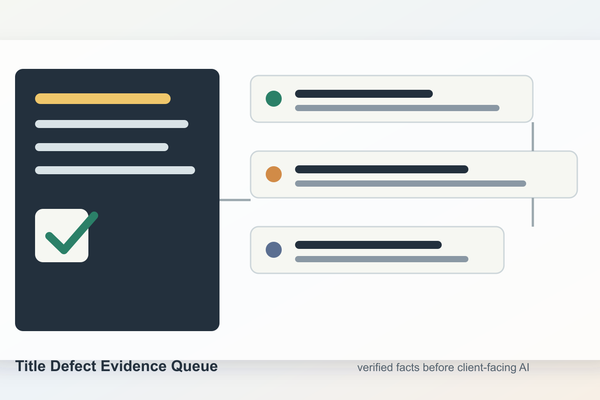
Build a Title Defect Evidence Queue Before AI Explains Closing Delays
AI can draft clearer closing updates, but title-sensitive language needs verified evidence first. Build a queue that separates defects, required cures, authority review, and client-safe status before any model explains delays.
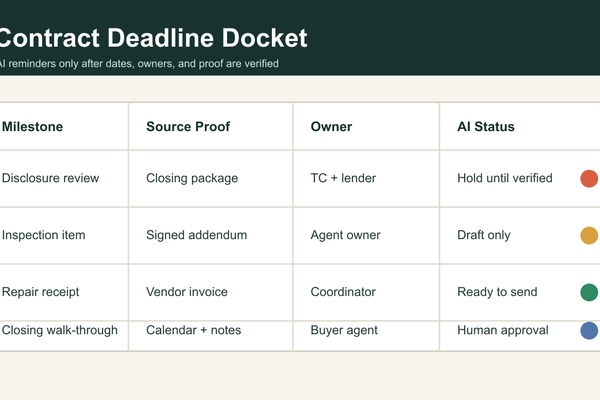
Build a Contract Deadline Docket Before AI Sends Transaction Reminders
AI can draft transaction reminders quickly, but real estate teams need a deadline docket that ties every client update to source documents, owners, approvals, and escalation rules first.
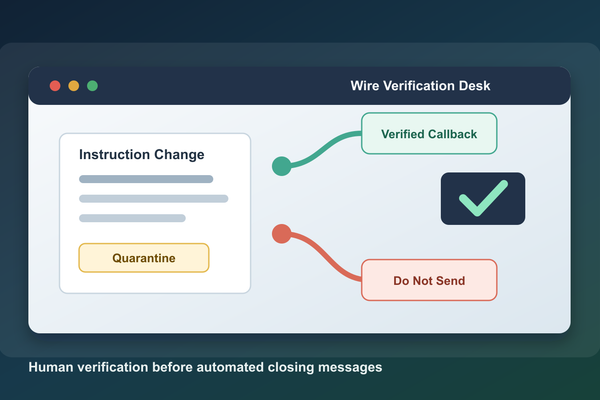
Build a Wire-Instruction Verification Desk Before AI Sends Closing Updates
AI can speed up closing communication, but real estate teams need a wire-instruction verification desk before automated updates touch payment-risk workflows.
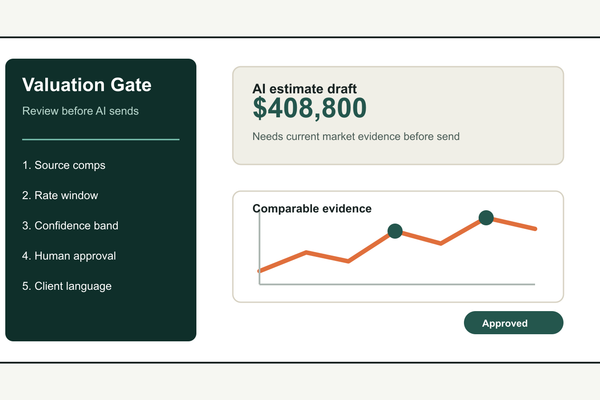
Build a Valuation Review Gate Before AI Sends Home Estimates
AI can draft home estimates quickly, but real estate teams need a valuation review gate that checks sources, confidence, market context, and approval before clients see a number.
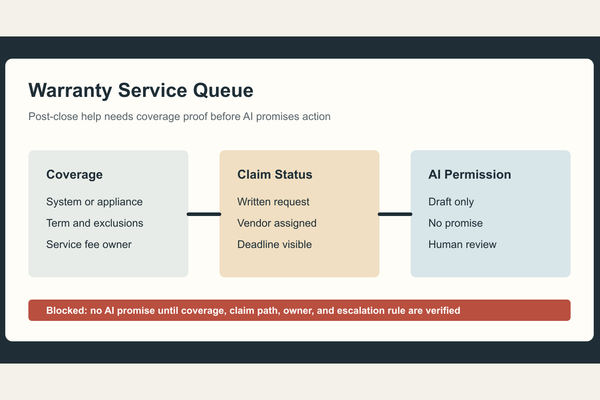
Build a Home Warranty Service Queue Before AI Promises Help
AI can speed up post-close service, but real estate teams need a warranty service queue that verifies coverage, claim paths, owners, and approved language before clients see promises.
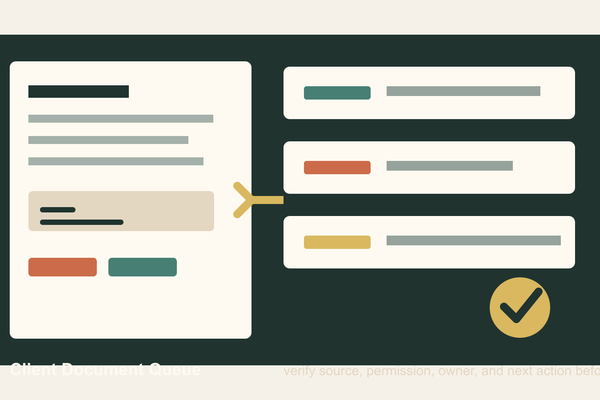
Build a Client Document Queue Before AI Chases Missing Files
AI can speed up real estate document follow-up, but only after missing-file requests have source evidence, sensitivity rules, owners, and approved client-facing actions.
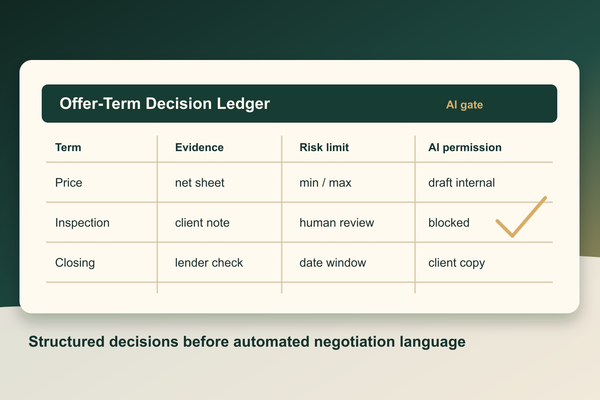
Build an Offer-Term Decision Ledger Before AI Drafts Counteroffers
AI should not draft counteroffer language from scattered deal notes. Use an offer-term decision ledger to prove priorities, tradeoffs, risk limits, and approval first.
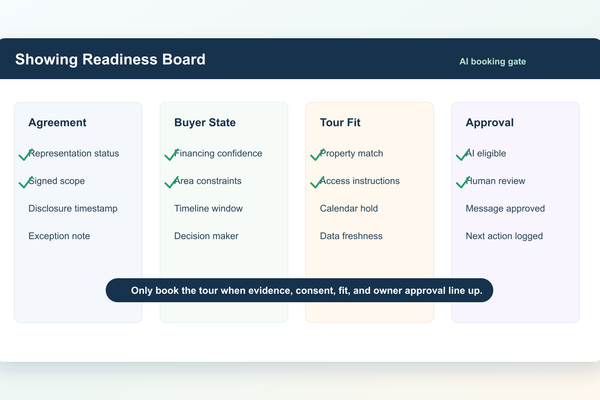
Build a Showing Readiness Board Before AI Books Buyer Tours
AI scheduling should not book buyer tours from scattered CRM notes. Use a showing readiness board to prove agreement status, buyer context, property fit, and approval first.
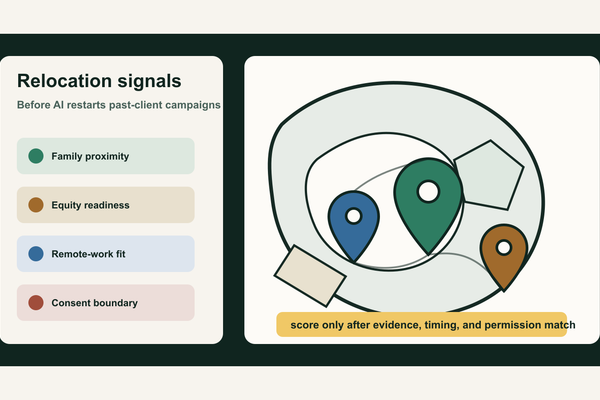
Build a Relocation Signal Board Before AI Sends Move-Ready Campaigns
AI should not infer relocation intent from stale CRM notes. Build a relocation signal board first so move drivers, timing, permission, and human ownership are clear before past-client campaigns restart.
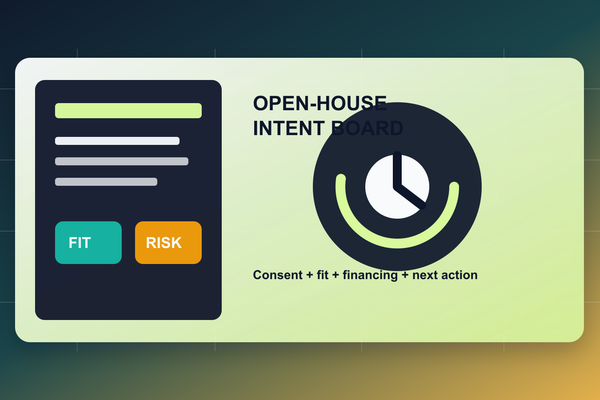
Build an Open-House Intent Board Before AI Scores Visitors
Open-house AI follow-up needs more than a sign-in sheet. Build an intent board first so visitor consent, fit, financing, and next action are verified before AI scores the lead.
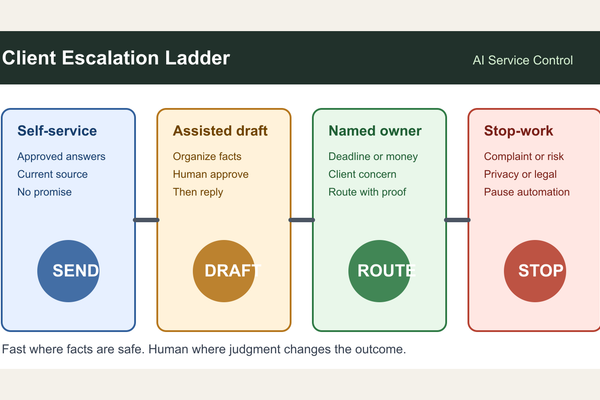
Build a Client Escalation Ladder Before AI Handles Service Replies
AI can answer routine service questions quickly, but real estate teams need an escalation ladder first so client risk, deadlines, complaints, and trust moments reach the right human owner.
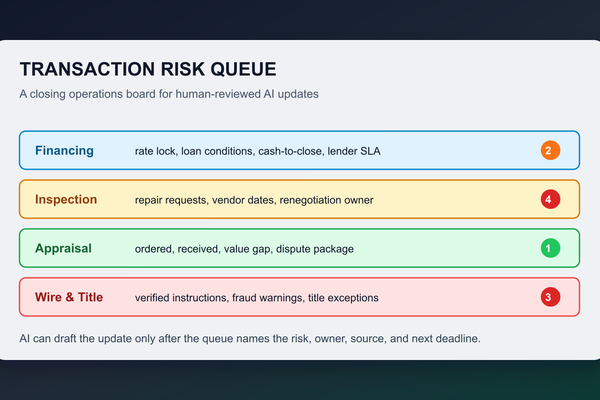
Build a Transaction Risk Queue Before AI Updates Closings
AI can draft polished closing updates, but real estate teams need a transaction risk queue first so financing, appraisal, inspection, title, and wire risks stay visible before clients hear from automation.
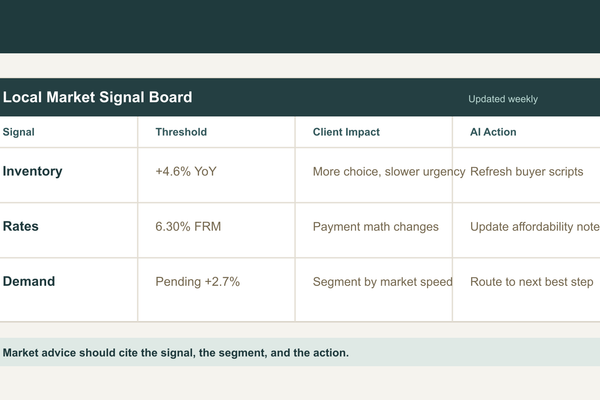
Build a Market Signal Board Before AI Writes Local Advice
AI can draft local market updates quickly, but real estate teams need a market signal board first so advice reflects current inventory, rates, demand, and client segment rules.
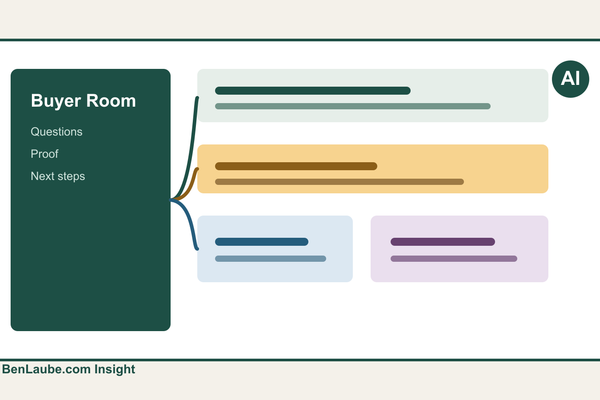
Build a Buyer Education Room Before AI Handles Follow-Up
AI follow-up should not just send faster messages. A buyer education room turns each lead question into approved guidance, proof, next steps, CRM context, and a cleaner human handoff.
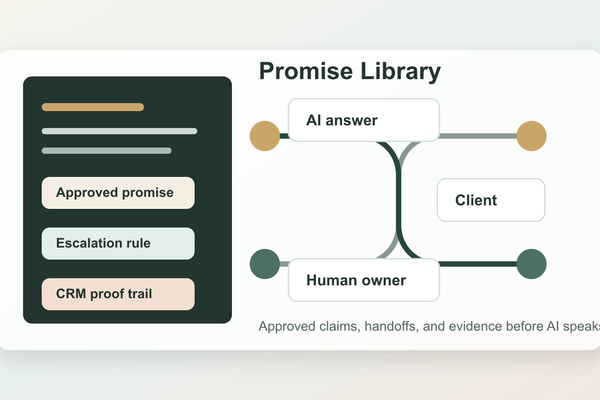
Give Customer-Facing AI a Promise Library
Customer-facing AI should not improvise guarantees, timelines, fees, or next steps. A promise library tells every chatbot, voice agent, CRM assistant, and marketing automation what it may say, when it must escalate, and where proof lives.
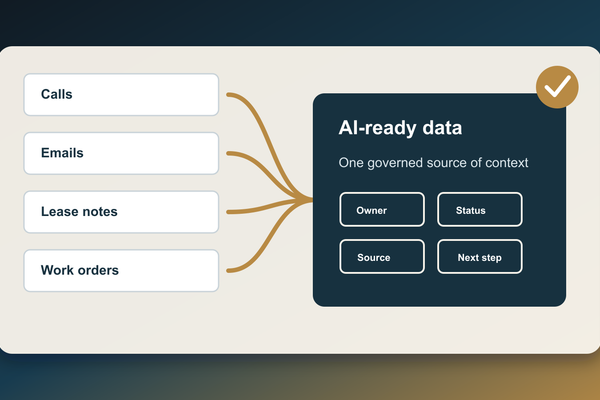
Turn Unstructured Real Estate Work Into AI-Ready Data
Real estate teams already have the raw material for better AI: calls, emails, lease notes, work orders, and showing feedback. The advantage comes from turning that mess into governed operational records.